Discovering Urban Biodiversity
What is Urban Biodiversity
Urban biodiversity refers to the variety of living organisms—including plants, animals, fungi, and microorganisms—that exist within cities and urban environments. It includes both native species that have adapted to urban conditions and non-native species that thrive in human-modified landscapes. Urban biodiversity can be found in parks, gardens, green roofs, wetlands, street trees, vacant lots, and even in small patches of vegetation.
Urban environments are not biodiversity deserts as one might assume, but a complex mix of species created by our modification of the landscape and introduction of exotic plants. The dynamic nature of this environment can make understanding the biodiversity within it difficult. Engaging people in citizen science can be of great value here.

Why is Urban Biodiversity Important?
- Ecosystem Services – Urban biodiversity provides essential benefits, such as air and water purification, climate regulation, and pollination.
- Resilience to Climate Change – Green spaces and diverse ecosystems can help cities adapt to extreme weather, reduce heat islands, and absorb excess rainfall.
- Mental and Physical Health – Exposure to nature in urban areas has been shown to reduce stress, improve mental well-being, and encourage physical activity.
- Biodiversity Conservation – Urban areas can act as refuges for wildlife, especially when natural habitats are fragmented or declining elsewhere.
- Education and Connection to Nature – Cities with rich biodiversity provide opportunities for citizens to engage with and learn about local ecosystems.
Why Document Biodiversity
Documenting species in urban environments is crucial for understanding, protecting, and enhancing biodiversity in cities, suburbs, and developed areas.
Tracking Biodiversity Changes:
Urban environments are constantly changing due to development, climate change, and human activity. The Greater Adelaide area has been developed to the point that only 10% of the remaining natural landscape remains. Recording species helps track how biodiversity shifts over time, identifying trends such as species decline, new arrivals, or changes in population sizes.
Identifying Conservation Priorities:
Some native species may be struggling to survive in cities, while others thrive. The Grey-headed Flying-Fox colony in the Adelaide parklands likely would not survive in this region without the modifications we’ve made to the local environment. Documenting their presence helps prioritize conservation actions, such as protecting critical habitats or restoring ecosystems with native plantings.
Detecting Invasive Species:
Invasive species can outcompete native flora and fauna, altering urban ecosystems. Regular biodiversity records help detect new invasions early, allowing for timely management interventions.
Informing Urban Planning:
Biodiversity data can guide city planning and development to minimize negative impacts on local wildlife. For example, records can highlight areas that should be preserved or enhanced with green infrastructure.
Enhancing Public Awareness & Engagement:
Sharing biodiversity records helps residents appreciate local wildlife and motivates them to participate in conservation efforts, such as native planting or citizen science initiatives.
Supporting Scientific Research:
Long-term biodiversity records provide valuable data for researchers studying urban ecology, climate adaptation, and species interactions. This information can lead to more effective conservation strategies.
Contributing to Global Biodiversity Efforts:
Urban biodiversity data contributes to broader conservation networks, such as national species databases like the ALA (Atlas of Living Australia) and global initiatives like GBIF (Global Biodiversity Information Facility), helping scientists and policymakers make informed decisions.
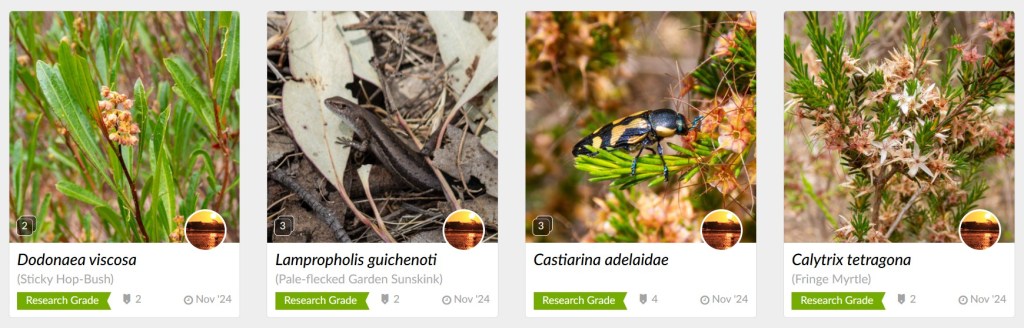
Discovering Backyard Biodiversity
Many people assume that biodiversity is something found only in remote places, national parks, or untouched wilderness. But the truth is, nature is all around us—even in our own backyards. Urban environments may seem unlikely places for wildlife, yet they host a surprising number of species, many of which go unnoticed in our daily lives.
Even in a small suburban garden, you can find a remarkable variety of organisms. Insects, spiders, birds, fungi, and even small mammals may be living alongside us, often hidden in plain sight. By taking the time to observe and document them, you can gain a greater appreciation for the complexity of urban ecosystems.
One of the best ways to start exploring backyard biodiversity is through citizen science platforms like iNaturalist. By photographing and uploading species observations, you contribute valuable data that helps scientists understand how urban ecosystems function.
Between May 2018 and December 2024 I photographed species found on my suburban property in South Australia and uploaded the observations to the iNaturalist platform. In total I uploaded 6,200 records and uncovered an incredible 775 species. (Yes, I recorded those frustrating introduced Blackbirds 160 times!) Counting the species may seem like an easy task, but given the complexities of taxonomic keys and attempting to identify species from photos alone, this is a task I could only achieve utilising the iNaturalist platform.
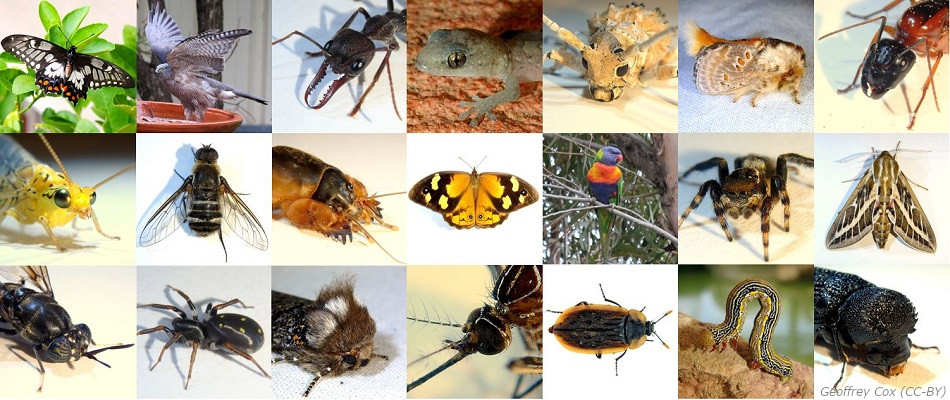
There was nothing particularly special about this property. It wasn’t especially large and certainly didn’t back onto a national park or conservation area. But by regularly searching for and photographing what I found, then uploading the records to iNaturalist for the community to assist with species identification, the species list slowly grew. I pulled all the records together into an iNaturalist project called Backyard Biodiversity. This is something anyone with a camera can achieve.
Learn more about how you can contribute on the Species Occurrence Recording page.
Discovering Wildlife in Your Own Backyard
Have you ever wondered just how much life exists in your own backyard? Whether you have a small courtyard or a sprawling suburban garden, your outdoor space is home to far more species than you might expect. Most people underestimate the diversity of life surrounding them—often by a significant degree. By taking the time to observe, search, and attract different organisms, you can uncover a hidden world of biodiversity right outside your door.
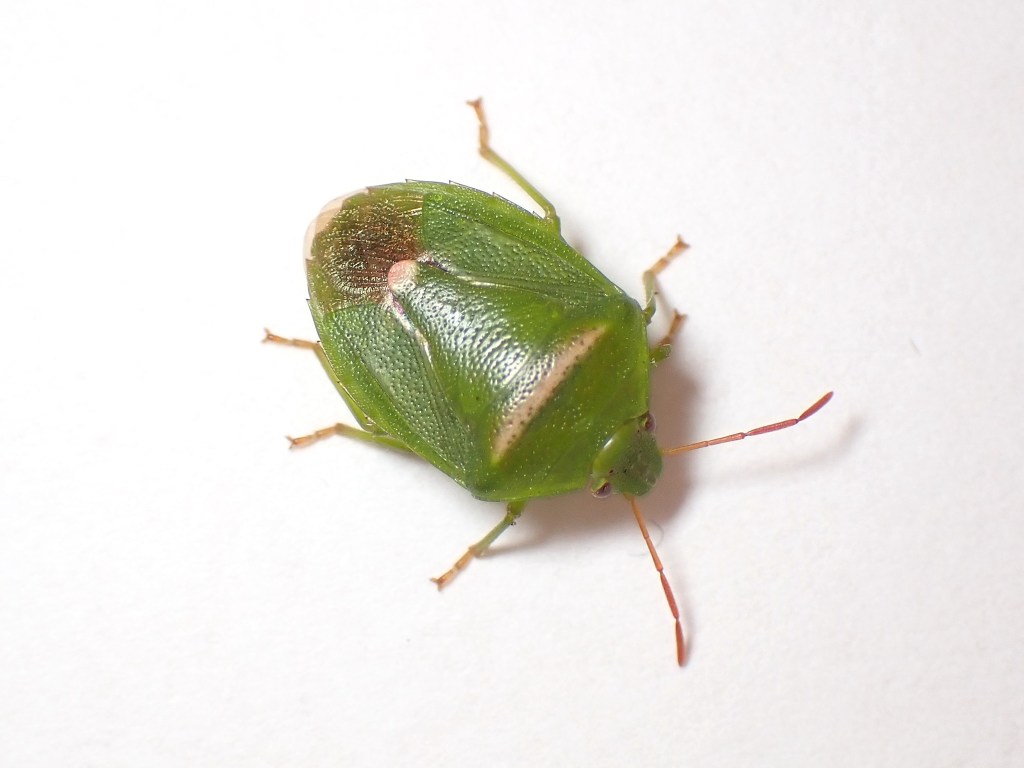
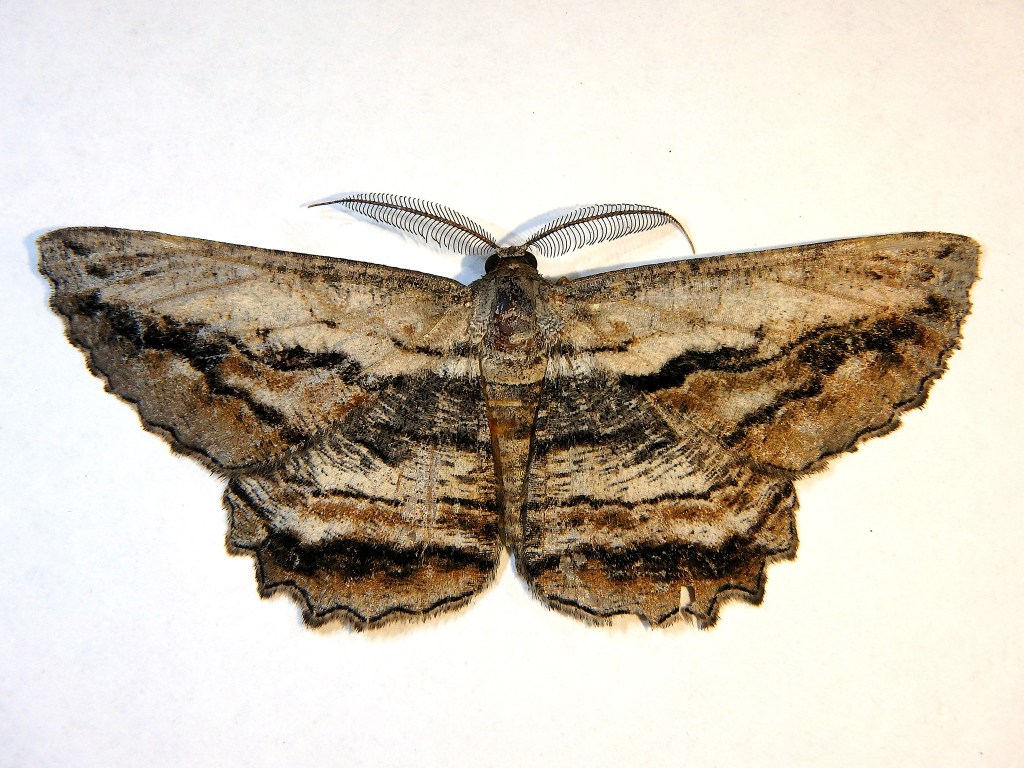

The ‘Your Backyard’ page provides an introduction to the various factors that influence the likelihood of finding the many, and often elusive, species on your property. What you’ll uncover will depend on the nature of your backyard, the season and weather conditions, the time of day, and whether or not you have suitable vegetation. Understanding these factors will help your species list to keep growing even if you think you’ve hit a plateau.
But how many species could you reasonably expect to find on your property? A courtyard property is very difference from a hobby farm. A home among the gumtrees is different to one near the coast. Take a look at the ‘Estimating Total Species’ guide that suggests 11 factors that can affect the number of species you’ll likely find on your property.
UV Light / Moth Sheet
Want to discover the hidden world of nocturnal insects in your own backyard? Setting up a UV light and moth sheet is an easy and fascinating way to attract a variety of moths, beetles, bugs, and more. In this guide, I’ll walk you through the simple setup, the best conditions for success, and how to document your finds. Whether you’re a casual observer or a dedicated naturalist, this method can reveal an incredible diversity of species—some of which may only appear for a few weeks each year.
Documenting nocturnal Insects in an urban environment
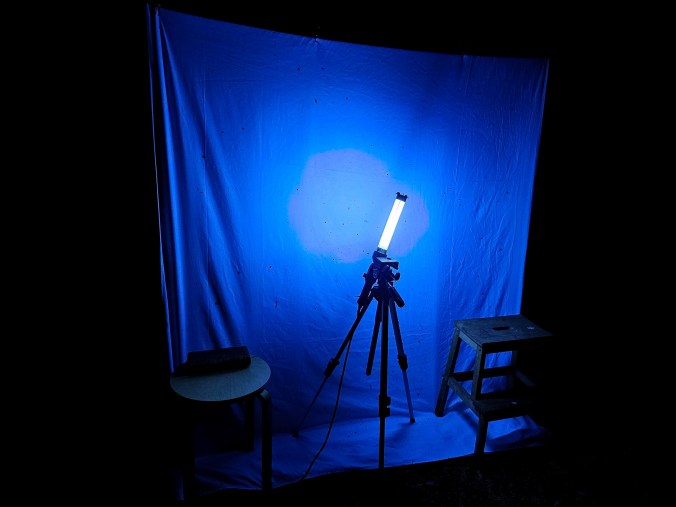
Not sure what to expect? Well, exactly which species you find will depend on your location too, so here’s an example from my own property in the Greater Adelaide region. Across 5 years of casual recording I upload nearly 4,000 observations to iNaturalist and recorded 515 species visiting a single setup at a single location! This includes 255 species of moths, 93 species of beetles, 50 species of files, 37 species of bugs, and 13 species of lacewings.
Your iNaturalist Collection Project
As you start to build up a collection of species records from your property on iNaturalist, you may want to be able to see them all together in the one place. This is where an iNaturalist Collection project can come in handy. There are a few steps involved to create one, and it’s much easier in practice than it is to read through every step in a guide, however it is worth the effort to see your records grow over time. Check out the Project How-To section of the iNaturalist Knowledge Base.
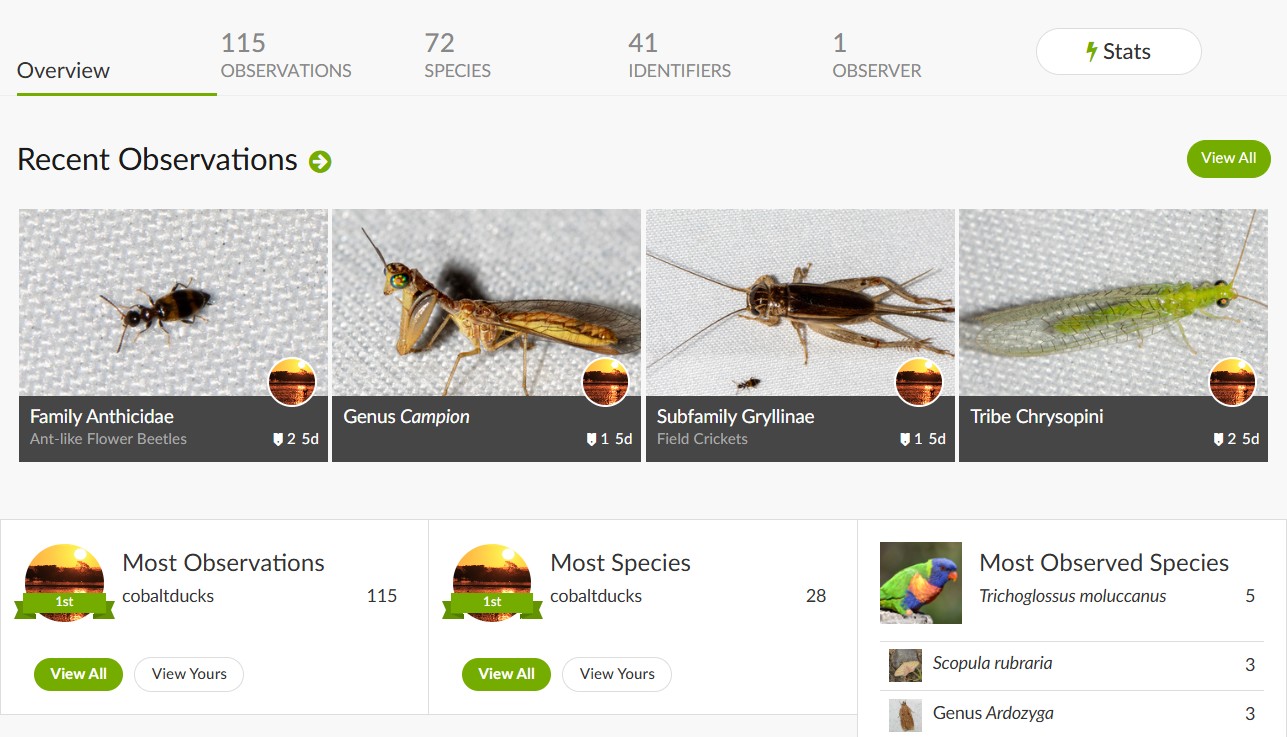
As an example, and hopefully not make it more confusing, here is my UV Light / Moth Sheet project for my previous property (This is an old type of project called a Traditional Project). To see a more recent style Collection Project, check out the one I’m building for a park nearby my residence: Melta Way Biodiversity Park.
 Epistemic Curiosity