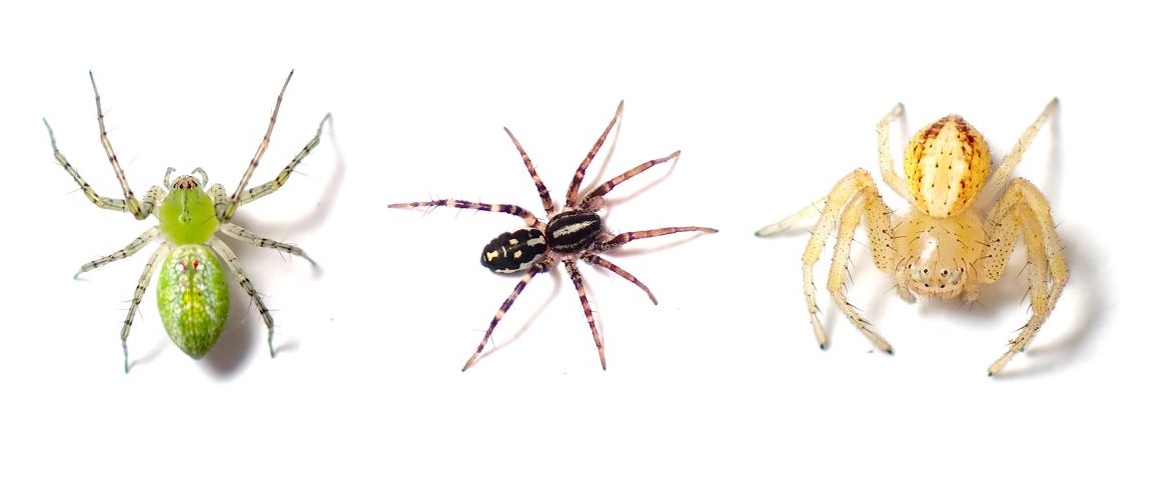
Between May 2018 and December 2024 I photographed species found on my suburban property in South Australia and uploaded the observations to the iNaturalist platform.
In January 2020 I created an iNaturalist ‘Traditional Project’ to track these observations, named ‘Backyard Biodiversity’.
By the end of this time I had uploaded over 6,200 observations and found 775 species in the small urban area.
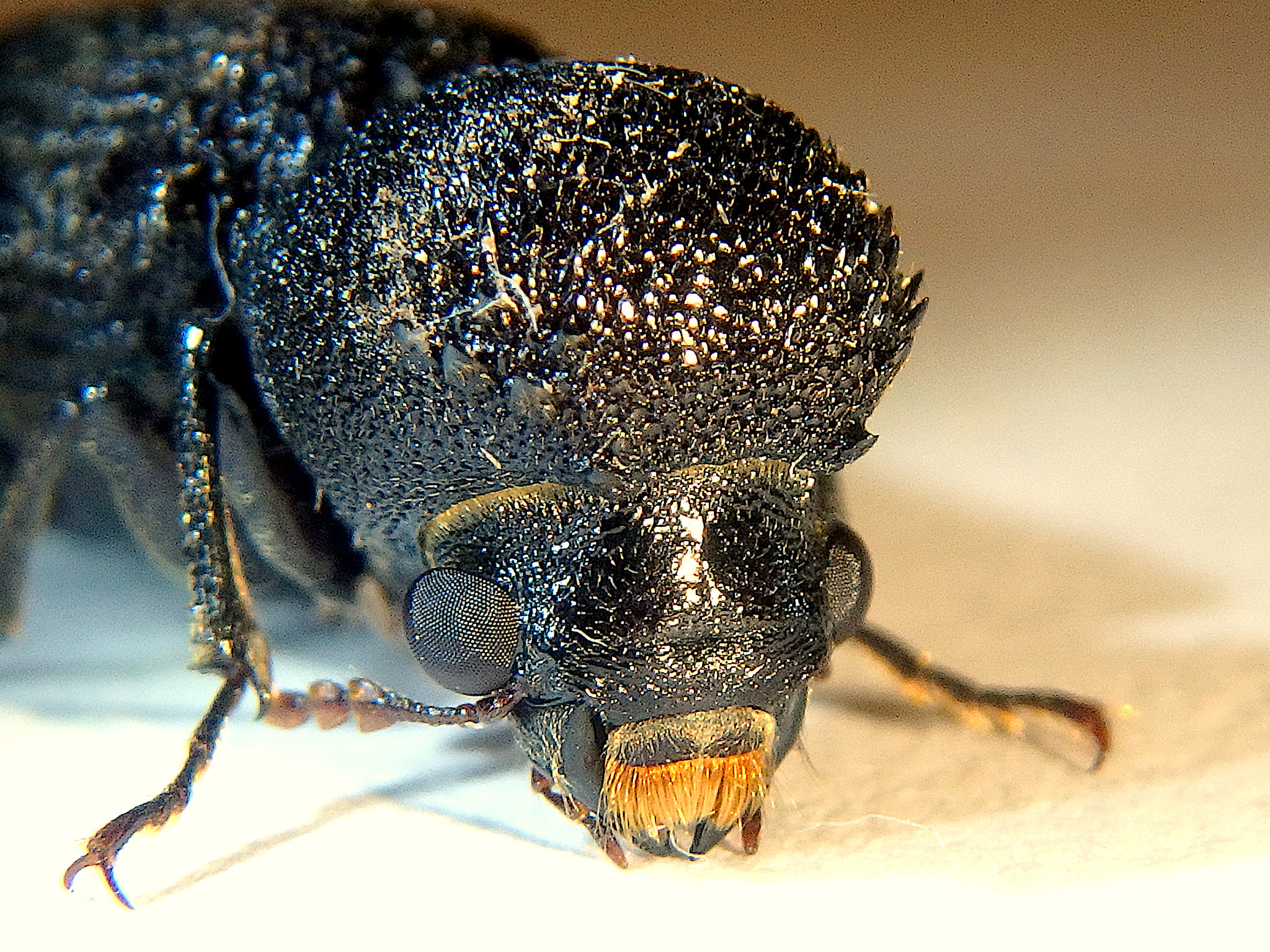
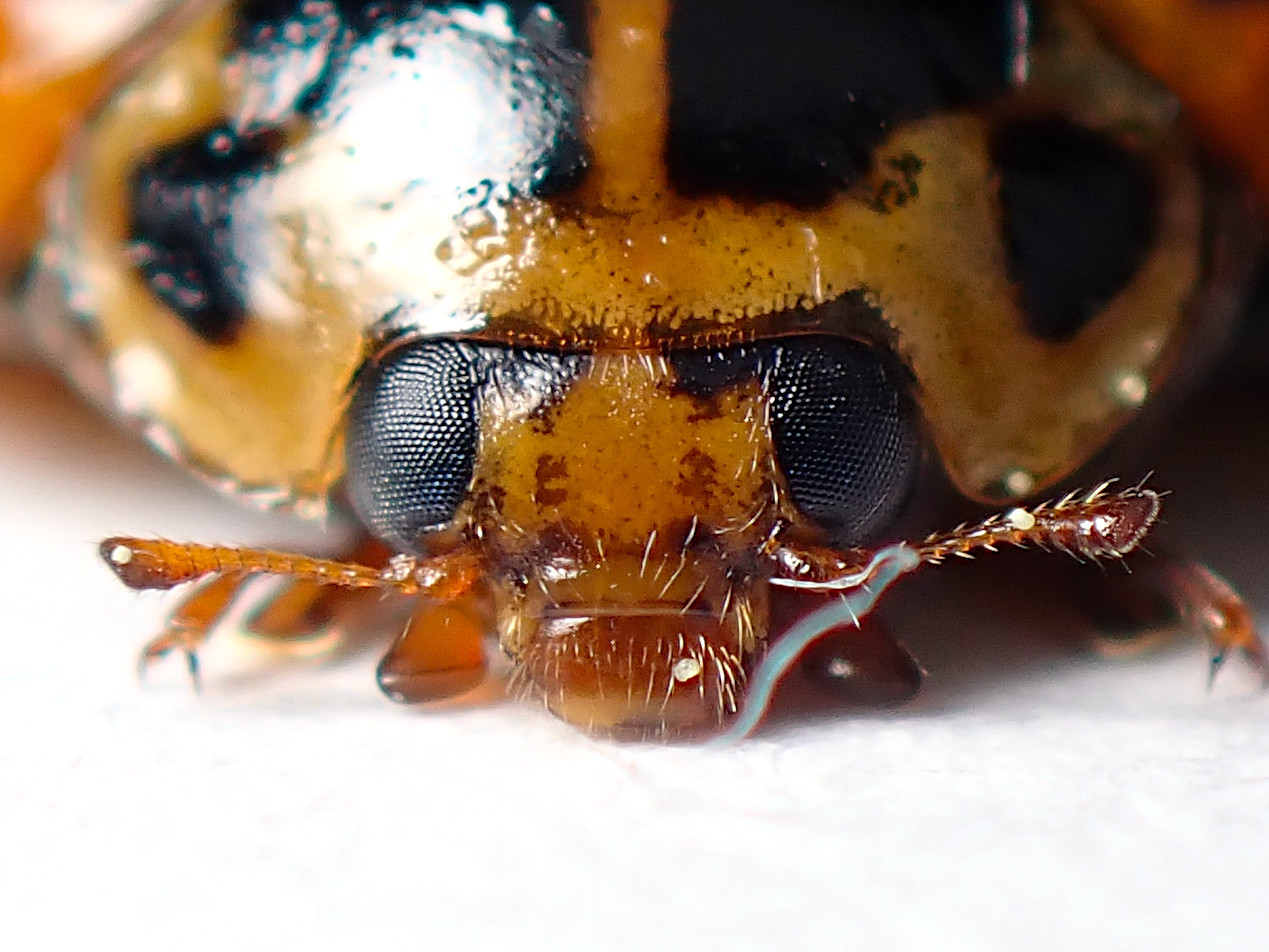
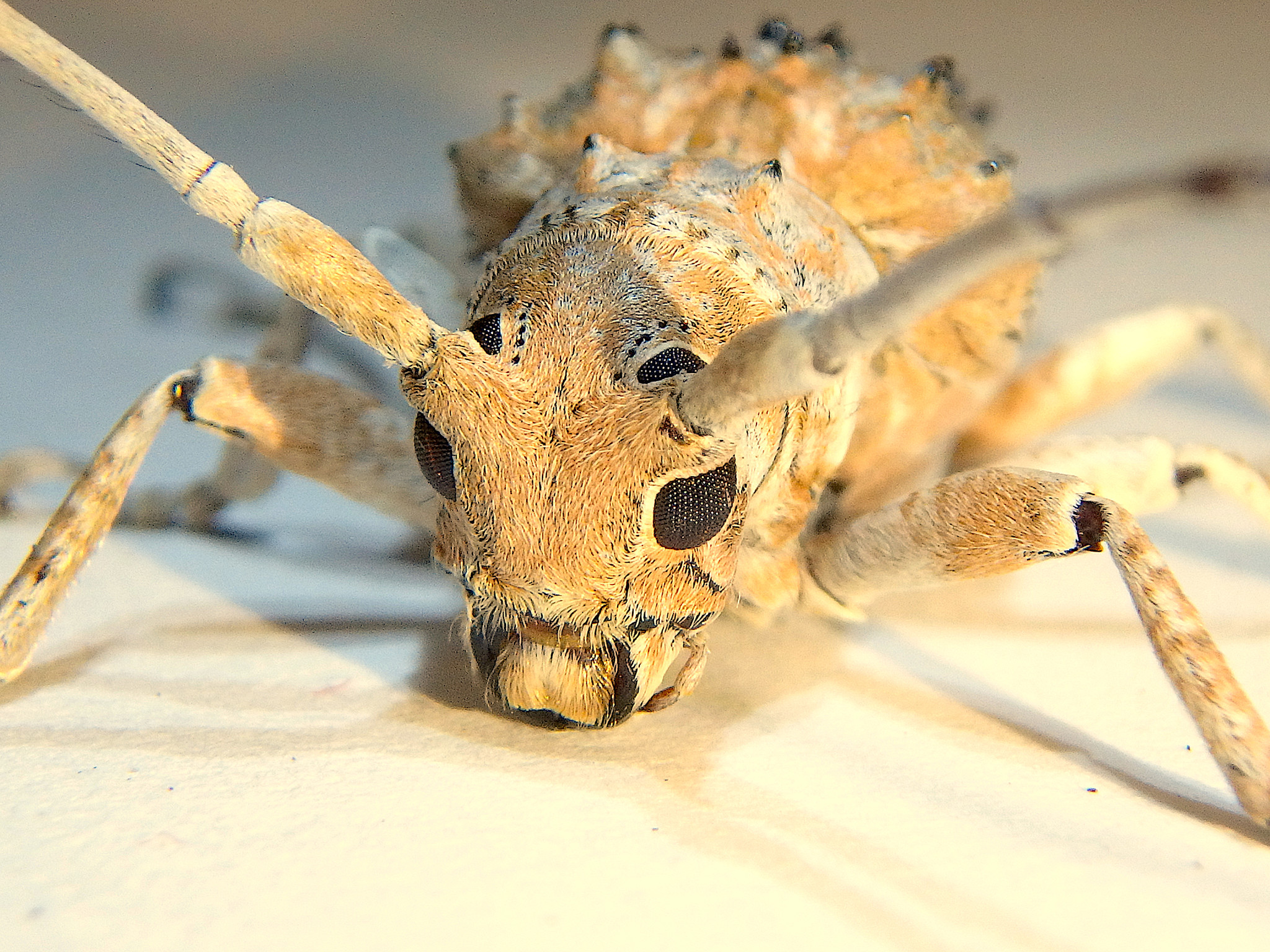
During this period the yard was modified with the intent of increasing biodiversity, specifically Invertebrate biodiversity. Much of the yard eventually consisted of local native Plant species.
In addition to uploading observations, Plant-Animal associations and interactions were being recorded to develop an understanding of which Plants provide the most benefit with regard to increasing biodiversity.
Over the years I trialed various biodiversity surveying techniques and built up a collection of surveying equipment. Many species were located through the use of an ultraviolet light and white sheet that attracts various Insects including Moths, Beetles, and Lacewings. Others through sweep netting and use of a beat sheet. Still many through chance encounter. Up until the end of the project, it was still easy to encounter species I had not previously seen.
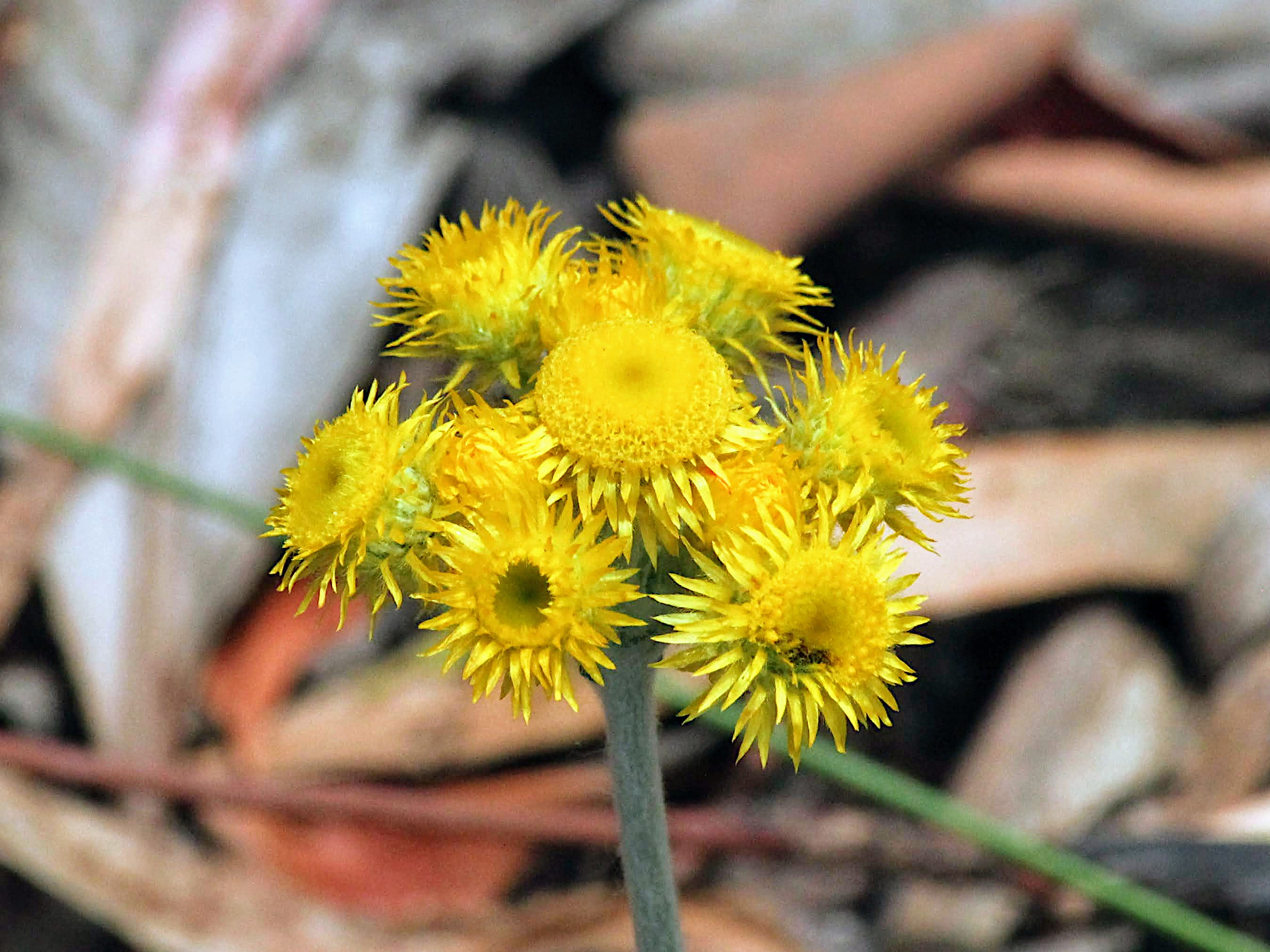
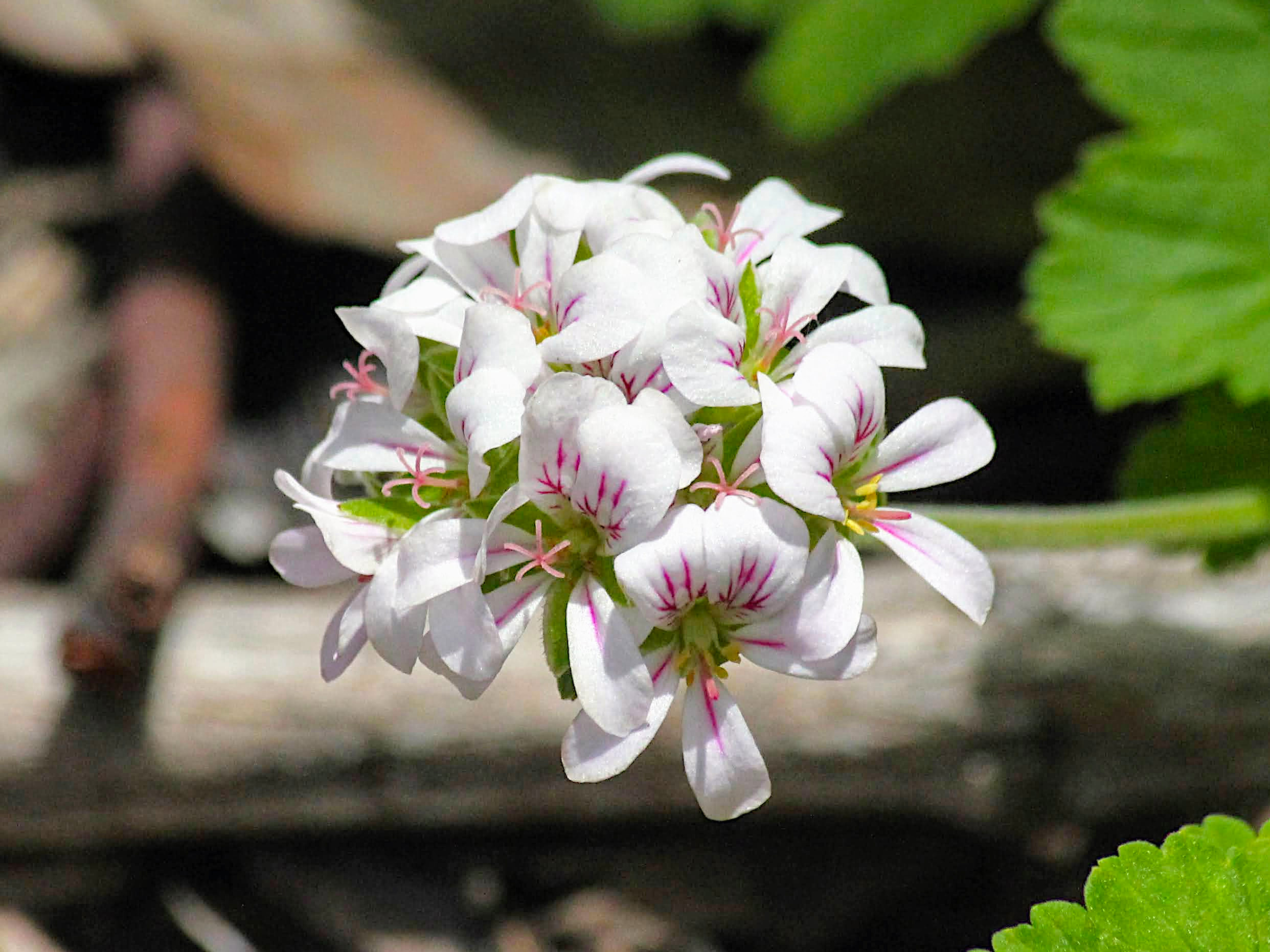
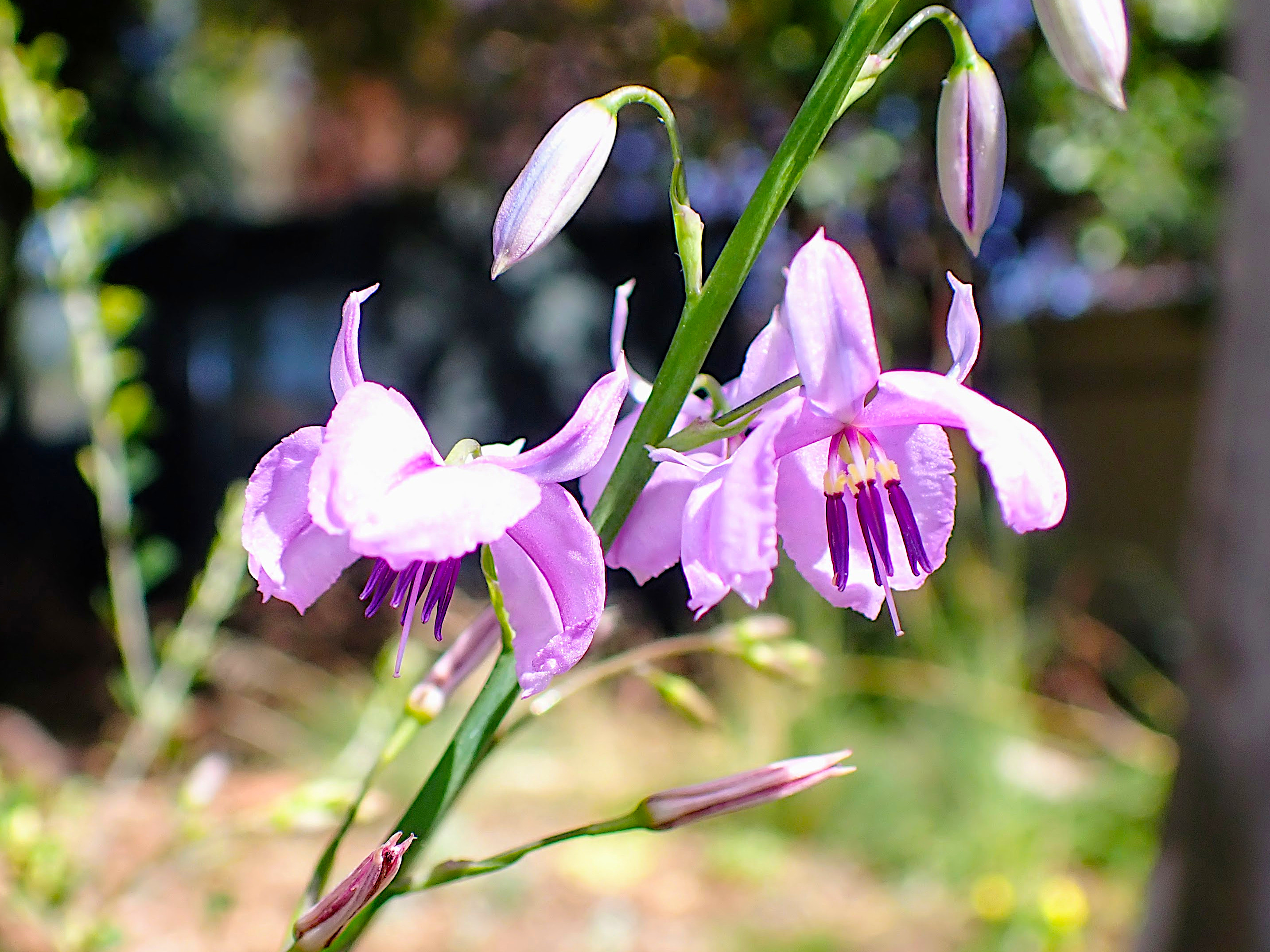
The number and variety of species likely to be found are highly dependent on the local climate and the environment surrounding the property, however the total number far exceeded my initial expectations. The details below should provide some context.
The property was 750m2 with 372m2 dedicated to garden. The soil was a high pH sandy loam with limestone rubble. Average rainfall was 600mm, but this was supplemented by watering primarily in the hot and dry summers of the Mediterranean climate.
The property was fenced on 3 sides and surrounded by suburban housing established approximately 50 years ago. The nearest patch of treed land is a roadside verge at 150m away. The nearest small creek is 350m away. The nearest body of water was a small pond at 450m away. The nearest patch of (degraded) remnant vegetation was 1.2km away. The nearest protected patch of native vegetation was 6km away. The property was 4km from the coast. Elevation was 110m.
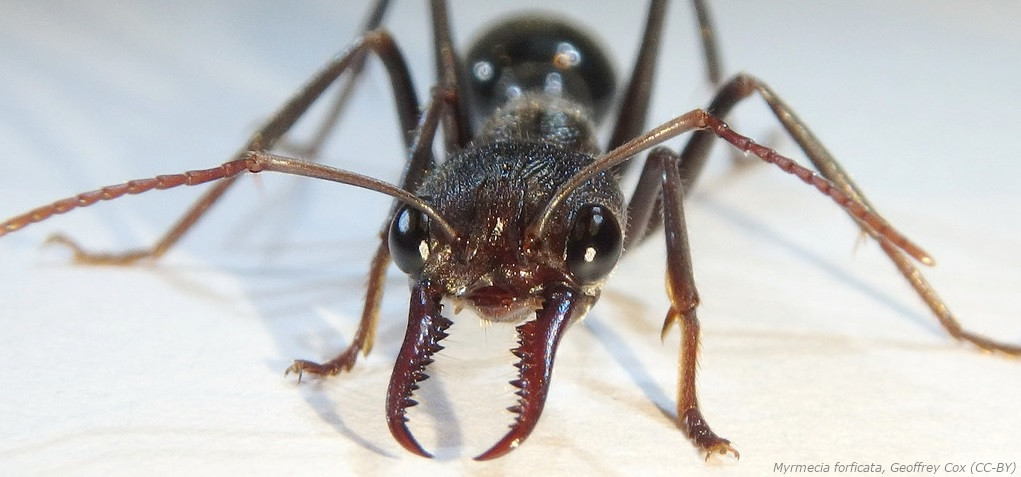
 Epistemic Curiosity