300,000 Verifiable Observations!


On the 8th of March 2022, we reached 300,000 verifiable observations uploaded in South Australia!


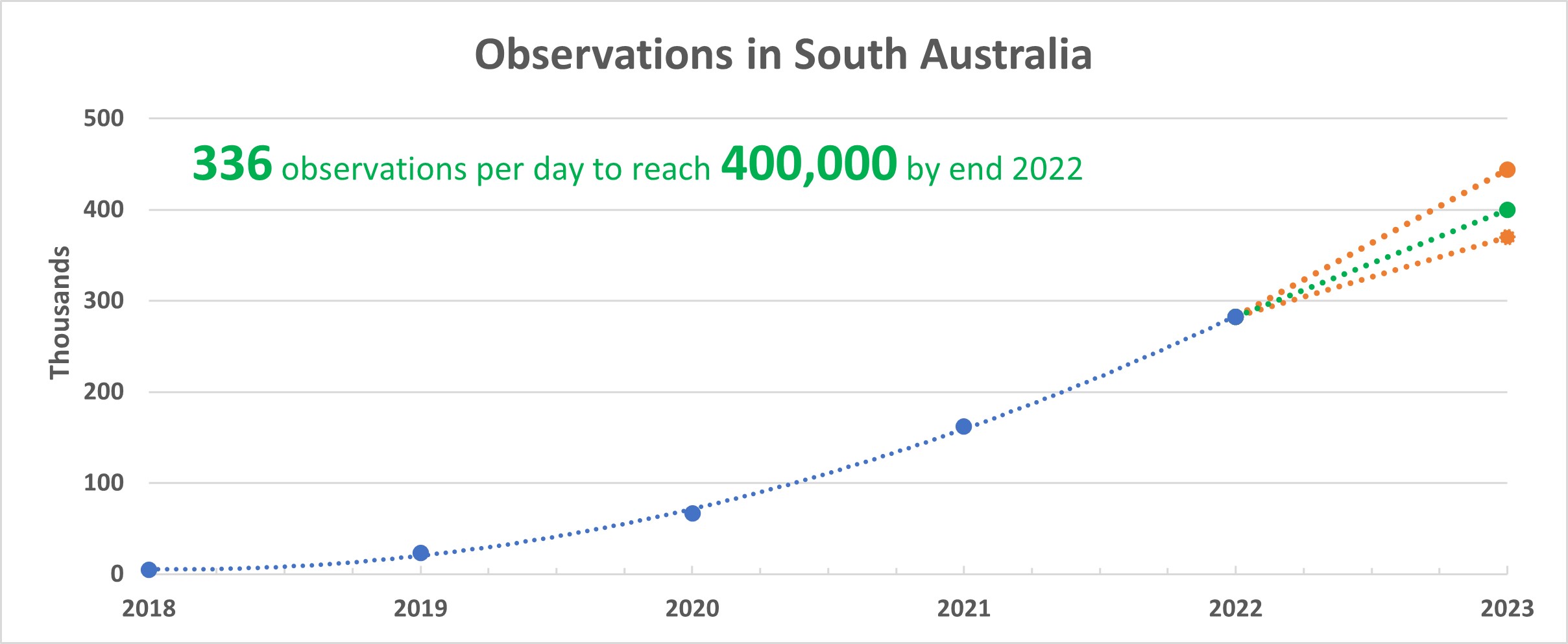
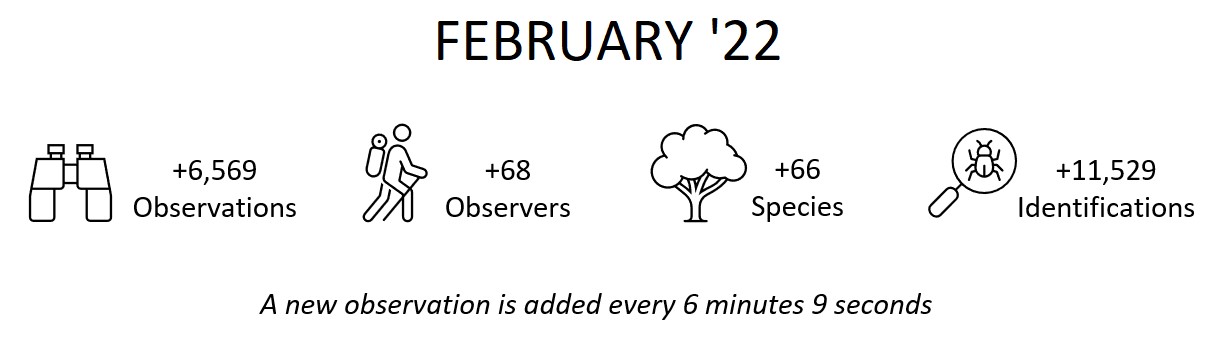
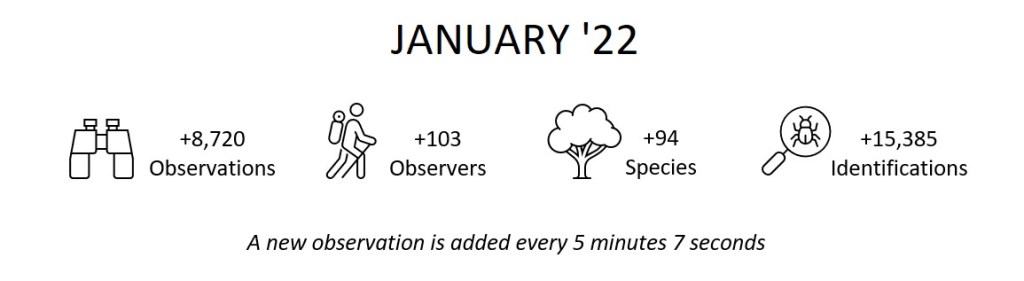
Congratulations to all who have contributed to this milestone. The first observations in SA were uploaded around mid-2011 and had only reached 4,500 by the end of 2017. Since then however the rate has increase dramatically reaching 23,500 by end of 2018, then 66,800 by end of 2019, on to 162,400 by end of 2020, and 282,700 by end of 2021.

We surpassed 100,000 observations in May 2020. It took 9 years to reach that milestone. It took only 12 months to add the second 100,000, and only 10 months to add the third 100,000! We are currently uploading over 300 new observations per day.

Alas, the exponential increase in observations cannot continue forever, and has been dropping year by year. 2018 saw a 520% increase in observations, 2019 a 280% increase, 2020 a 240% increase, and in 2021 a 170% increase. If we estimate a 140% increase this year, we’ll reach 400,000 observations by the end of 2022. And all it would take is 336 observations per day.


Quick Stats:

  • 4,242 observers have uploaded records of 8,726 species across the state
  • 68.2% of all verifiable observations are Research Grade
  • 9,401 observations of 244 Threatened species
  • 22,639 observations of 932 Introduced species
  • 4,780 identifiers have made 543,600 identifications on observations from SA
  • Observations by Taxa: 56,340 Birds, 884 Amphibians, 7,293 Reptiles, 7,016 Mammals, 11,729 Ray-finned Fishes, 10,360 Molluscs, 8,832 Arachnids, 52,725 Insects, 114,858 Plants, 11,376 Fungi, 1,588 Kelp & 155 Protozoans
  • Species by Taxa: 362 Birds, 20 Amphibians, 172 Reptiles, 85 Mammals, 278 Ray-finned Fishes, 486 Molluscs, 344 Arachnids, 2,685 Insects, 3020 Plants, 499 Fungi, 71 Kelp & 15 Protozoans
200,000 Verifiable Observations!

On the last observation day of the City Nature Challenge we passed 200,000 verifiable observations uploaded in South Australia!


Congratulations to all who have contributed to this milestone. The first observations in SA were uploaded around mid-2011 and had only reached 4,500 by the end of 2017. Since then however the rate has increase dramatically reaching 23,500 by end of 2018, then 66,800 by end of 2019, and on to 162,400 by end of 2020.

Continue reading

100,000 Verifiable Observations!

Late last night the 100,000th verifiable observation was uploaded for South Australia!


Quick Stats:

  • 1,936 observers have uploaded records of 5,870 species across the state
  • 68.3% of all verifiable observations are Research Grade
  • 1,670 observations of 108 Threatened species
  • 6,700 observations of 418 Introduced species
  • Observations break down: 34.3% Vertebrates, 31.4% Plants, 16.6% Insects, 13.8% Other Animals, 2.6% Fungi, 0.8% Chromista


Congratulations to all who have contributed such amazing observations. The first 100k took quite a while, with the first observation from SA in mid-2011, reaching only 100 by mid-2013 and 1,500 by mid-2016. In fact, 95% of all observation in SA have been uploaded since the beginning of 2018. We are currently adding a new observation approximately every 7 minutes!

The number of local contributors is now growing rapidly. At the current rate of growth we are likely to reach 200,000 observations in less than 12 months. So keep those observations coming. 5,870 species represents only a small fraction of the biodiversity of our state. There’s still so much to discover.

Taxonomy Australia – The Discovery Mission


Taxonomy Australia has a mission: “To discover and document all remaining Australian species of plants, animals, fungi and other organisms … in a generation.”

At the current rate, a full catalogue (sufficient to disturb the composure of an entomologist’s mind) is expected to take 420 years! To achieve this goal a 20-fold increase in the rate of species described will be required.

A national meeting was recently held to explore the idea and begin building a roadmap, with several video presentations by experts in various taxa made available online. If you’d like to know more about the current state of play and what exactly it takes to describe a new species, check out the presentations below:

Introduction to the Mission (Kevin Thiele)

How will we discover and document the remaining hyperdiverse insects? (Erinn Fagan-Jeffries)

How on earth will we discover and document all of the fungi of Australia? (Tom May)

How to describe the remaining Australian plants? (Katharina Nargar)

The status of marine invertebrate taxonomy (Zoe Richards)

How will we discover and document Australia’s remaining arachnids and myriapods? (Mark Harvey)

How will we discover and document the remaining non-hyperdiverse invertebrates? (Bryan Lessard)


So how are we going in 2020? Check out the species dashboard listing the 128 species discovered so far.

Describing New Australian Species

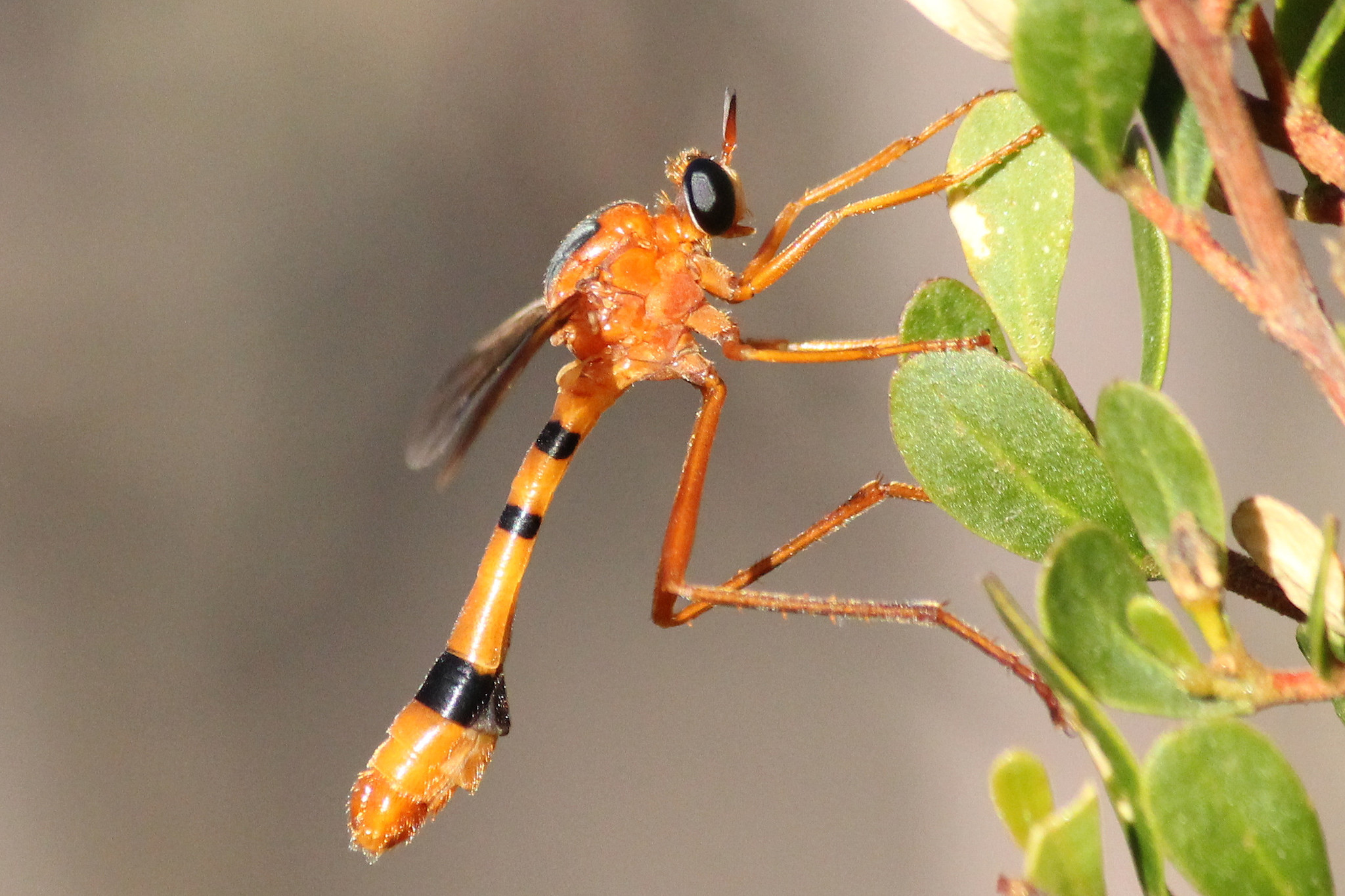
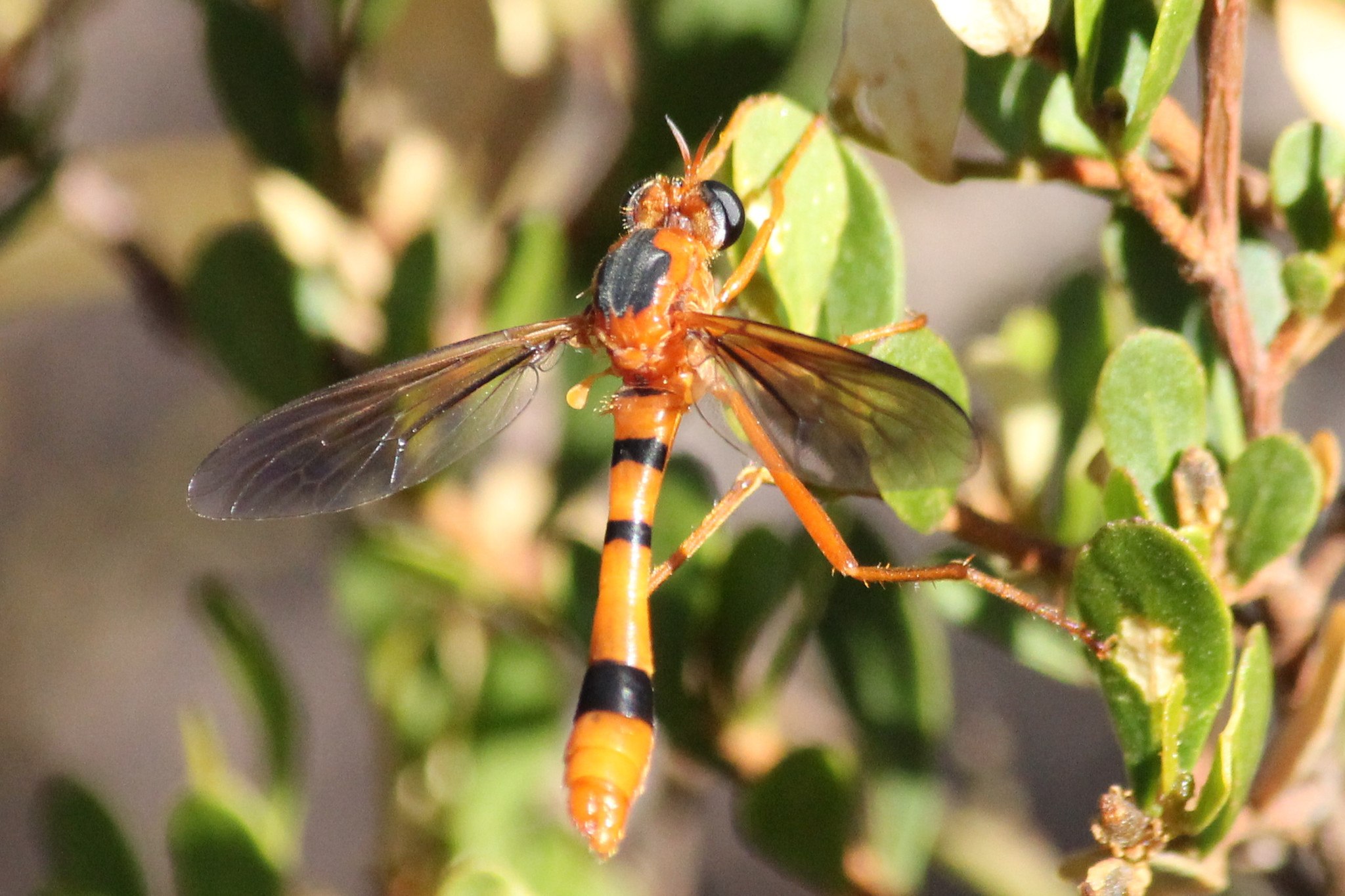
An undescribed Neocyrtopogon sp.


If there are an estimated 610,000 species in Australia with 190,000 currently described (31%), how long might it take to have all described?

Estimates of the number of new species described vary and change year to year. The highest rate was estimated to be prior to WW1 with around 1400 new species described annually. More recently the rate has been near half of this. Even at 1000 new species described annually, we’d be looking at 420 years before we could have a complete catalogue. With a 10% decline in the taxonomic workforce at major institutions over the last 25 years, something needs to change.

The Australian Academy of Science has launched the Taxonomy Australia program and released the associated publication “Discovering Biodiversity: A decadal plan for taxonomy and biosystematics in Australian and New Zealand 2018-2027”

The website lists 763 new Australia species described in 2019. See the full listing on the Taxonomy Australia “Discoveries Dashboard”. (Links through to the pages listing the papers may take a moment to load).

Check out the Taxonomy Australia blog for interesting stories on new discoveries.