
First stop on day two of the City Nature Challenge was the Hart Road Wetlands. Always a good spot to find a wide range of Bird and a couple of Frog species. There also used to be a resident Musk Duck here.
Continue readingFirst stop on day two of the City Nature Challenge was the Hart Road Wetlands. Always a good spot to find a wide range of Bird and a couple of Frog species. There also used to be a resident Musk Duck here.
Continue reading
Final stop on the first City Nature Challenge day was a loop through Onkaparinga River National Park, starting at Gate 11 on Piggott Range Rd, following the fire track along the ridge and back along Sundew Ridge Hike.
Continue reading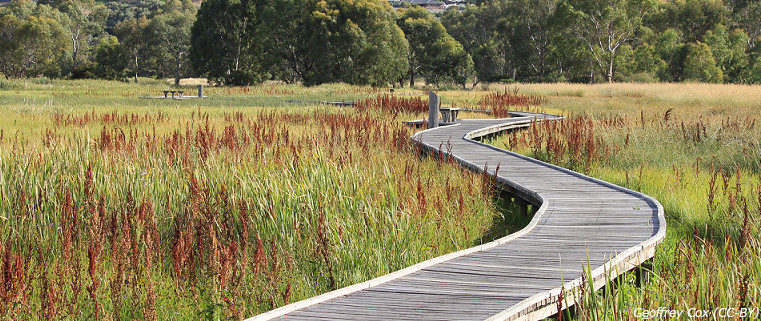
Second stop on the first City Nature Challenge day was Onkaparinga River Recreation Park. I took a short loop from the Commercial Road entrance, skirting a couple of wetland ponds and along the river’s edge, in the hope of spotting a few estuary birds, in particular the Black Swan.
Continue reading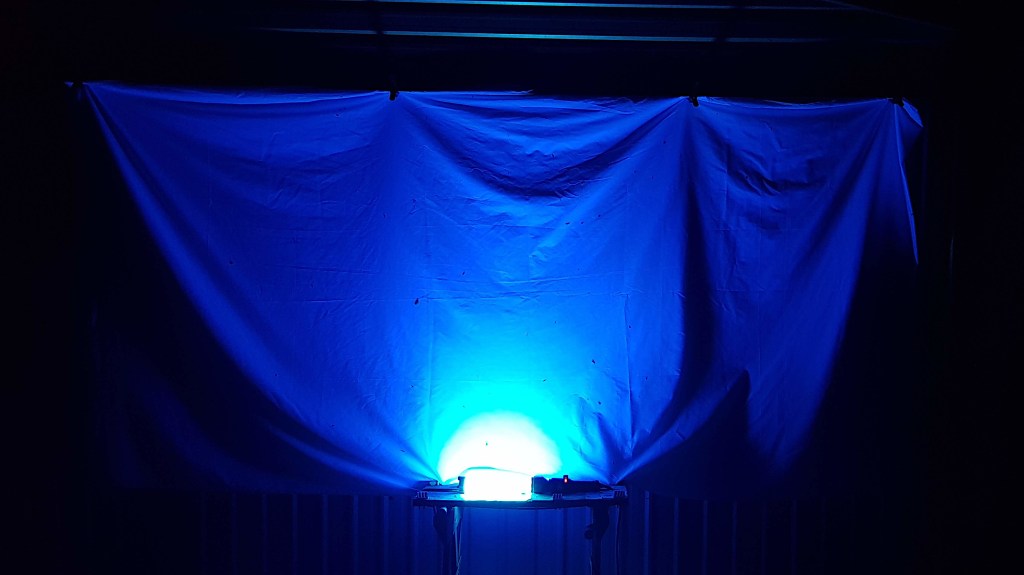
During the City Nature Challenge 2022 I ran the UV light and moth sheet over 3 full nights taking a total of 208 observations covering 71 species.
Light: 50W UV CFL 71460
Direction: Sheet facing South-East
Runtime: 3 full nights (29th/30th April & 1st May).
Observations: 208
Species: 84
Continue reading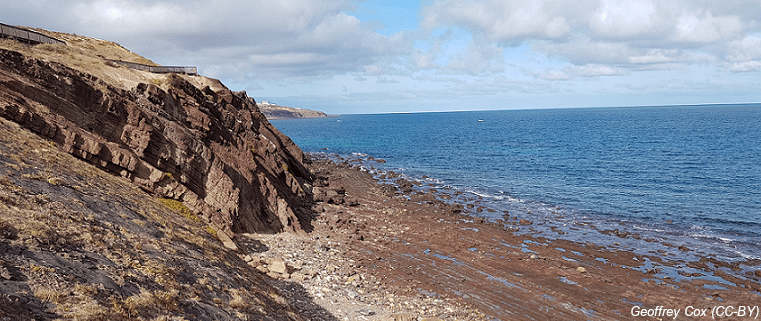
I started off the City Nature Challenge 2022 with an early morning hike around a section of Hallett Cove CP that I rarely visit. Starting at the end of South Avenue I headed South along a vehicle track. Part way along, the track branches and heads through some remnant vegetation overlooking the sloping cliffs toward the ocean.
Continue reading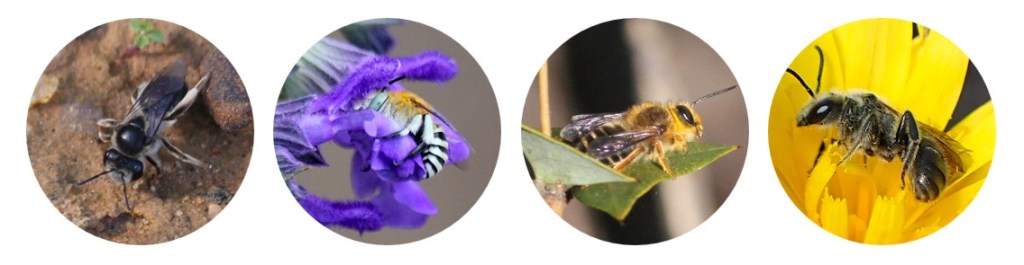
With 1,600 species of native Bee described and potentially another 1,000 yet to be described, the concept of the ‘Bee hotel’ only goes to demonstrate our collective ignorance of the Epifamily Anthophila, and in a broader sense, that of the Order Insects.
There are only 386 species of Mammal in Australia and it would seem foolish to create a ‘Mammal hotel’ in the hopes of attracting various Mammals. We recognise that each individual Mammal species has different needs and attempts to assist these species require a considerable knowledge of their needs, careful planning, application, maintenance and monitoring. Recognition of this with regard to Bird species has seen the traditional generic ‘bird boxes’ replaced with specialised boxes designed to meet the needs of individual species, and maintenance / monitoring services being made available.
The concept of the ‘Bee hotel’ can go a long way toward educating the public that Bees, and Insects in general, are an important part of an ecosystem and worth dedicating time and effort to conserve. But as with Mammals and Birds, to have functional benefits artificial nesting sites need to be tailored to the specific needs of the target species. (Note, target species. Not target Genus or Family). Given that we are far from even having a description of all Australian Bee species, knowledge of the needs and preferences of each species is practically non-existent. So while we wait for the massively underfunded and underappreciated taxonomists and specialists to do their research, the best we can do for most species is a little trial and error.
Continue readingAnother warm still night, perhaps one of the last before the cooler weather sets it.
Light: 50W UV CFL 71460
Direction: Sheet facing South-East
Runtime: 8:30pm – 11:10pm (2 hours 40 minutes).
Observations: 32
Species: 24
Continue reading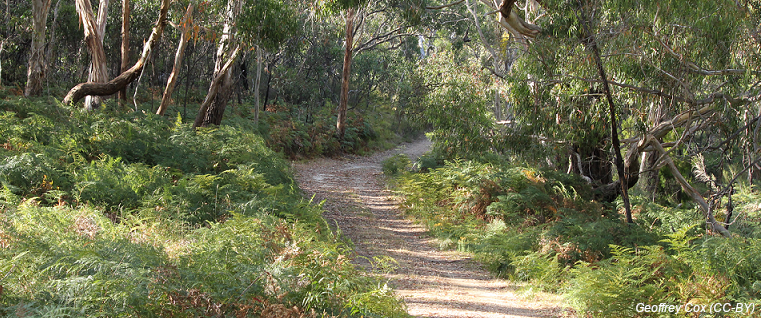
As of March 2022 the burnt sections of this park, east of Dorset Vale Road, have now reopened to the public. After creating an iNaturalist Project to collect observations post bushfire, I’ve been eager to revisit.
We’d thought the warm day would be good for a short walk along Neville Rd, Currawong Ridge Track, Bandicoot Track and Matthews Rd. But at 30°C, humid, no wind and all the tree canopy removed by the fire, it was unexpectedly hot.
Continue reading
 Epistemic Curiosity