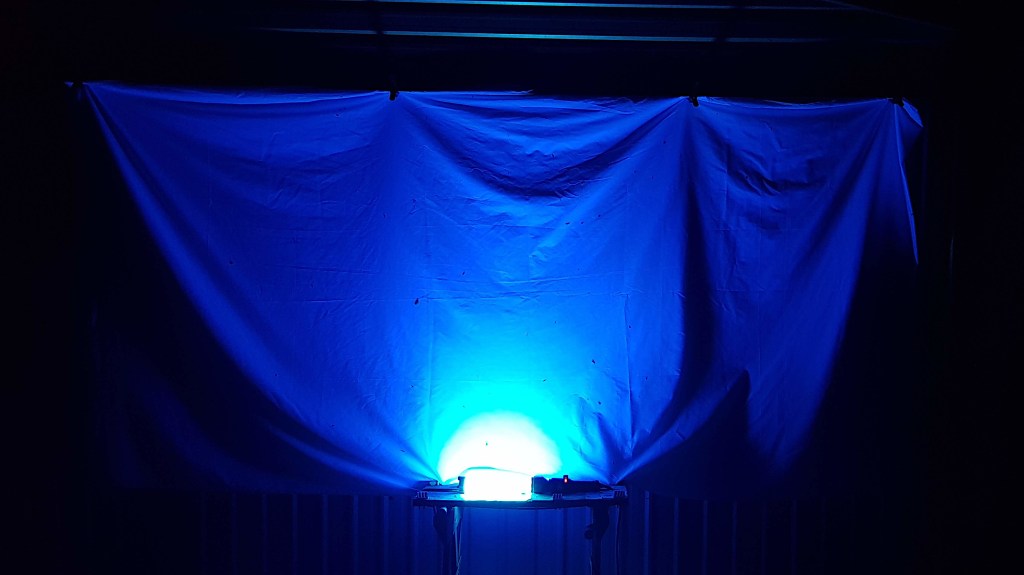
Light: 50W UV CFL 71460
Direction: Sheet facing South-East
Runtime: 8pm – 10:30pm (2.5 hours).
Observations: 41
Species: 24
Continue readingLight: 50W UV CFL 71460
Direction: Sheet facing South-East
Runtime: 8pm – 10:30pm (2.5 hours).
Observations: 41
Species: 24
Continue reading
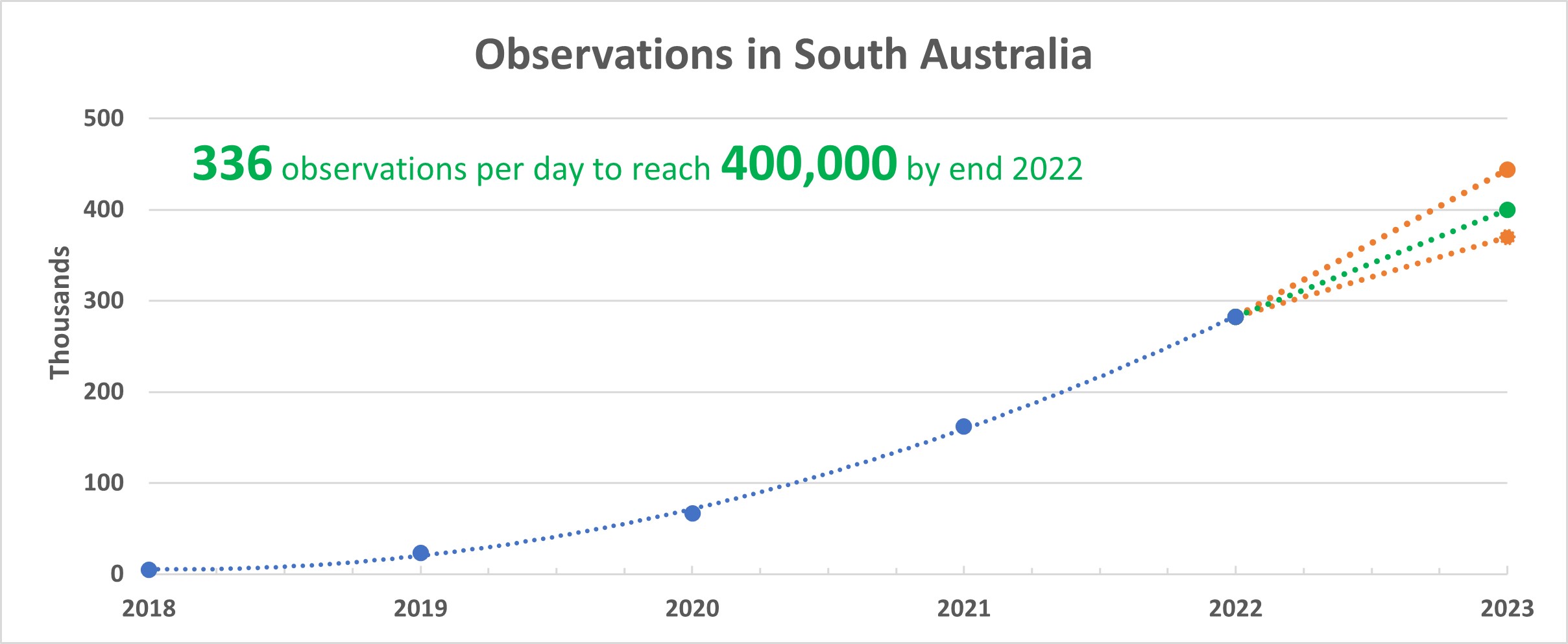
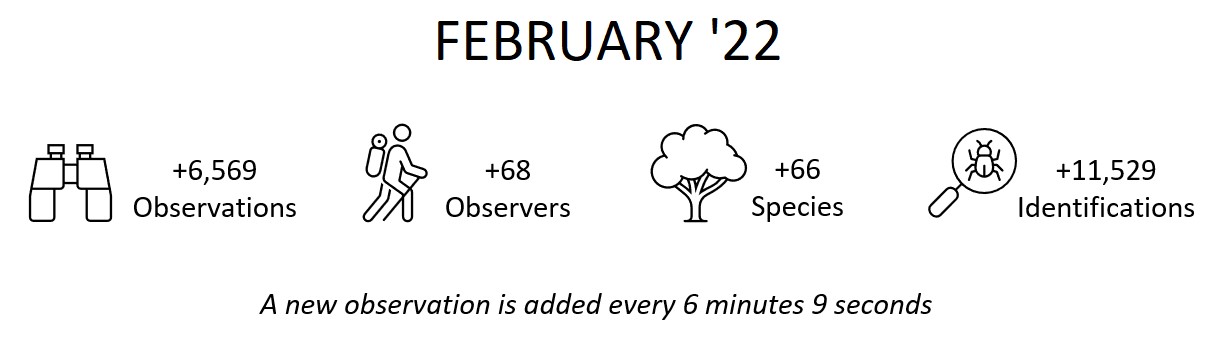
Congratulations to all who have contributed to this milestone. The first observations in SA were uploaded around mid-2011 and had only reached 4,500 by the end of 2017. Since then however the rate has increase dramatically reaching 23,500 by end of 2018, then 66,800 by end of 2019, on to 162,400 by end of 2020, and 282,700 by end of 2021.
We surpassed 100,000 observations in May 2020. It took 9 years to reach that milestone. It took only 12 months to add the second 100,000, and only 10 months to add the third 100,000! We are currently uploading over 300 new observations per day.
Alas, the exponential increase in observations cannot continue forever, and has been dropping year by year. 2018 saw a 520% increase in observations, 2019 a 280% increase, 2020 a 240% increase, and in 2021 a 170% increase. If we estimate a 140% increase this year, we’ll reach 400,000 observations by the end of 2022. And all it would take is 336 observations per day.
Quick Stats:
A cool, overcast, and a little windy evening wasn’t ideal for the moth sheet, but anecdotally these nights seem to bring in a different range of species.
Light: 50W UV CFL 71460
Direction: Sheet facing South-East
Runtime: 8pm – 9:30pm (1.5 hours). Stopped due to rain.
Observations: 19
Species: 15
Continue reading
For more in depth info head over to eBird Australia
‘Identifying Mallard x Pacific Black Duck Hybrids‘
The Pacific Black Duck (Anas superciliosa), in the Family Anatidae, is one of the most common native dabbling Ducks. It can be found all across Australia, typically in association with water sources, i.e. ponds, lakes, rivers, wetlands, and is frequently seen in urban waterways.
The Mallard (Anas platyrhynchos) was introduced to Australia in the 1860s and has been spreading slowly across the south east and other populated areas.
These closely related species have similar habits and occupy the same environments. Where they are both present, the Mallards will breed with the local Pacific Black Ducks. With several broods each year of 7 to 12 ducklings, and 20% reaching adulthood, the Mallard genes quickly make their way into the local Pacific Black Duck population.
Continue reading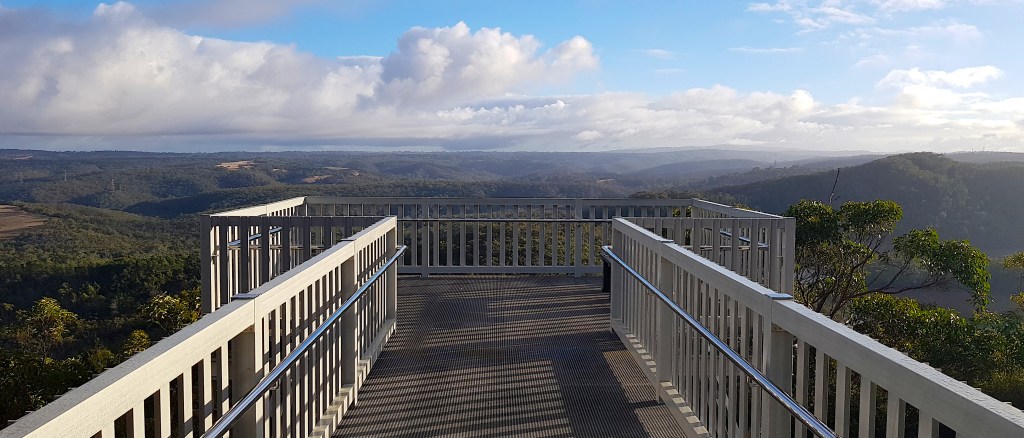
As of December 2021 a section of the Mount Bold Reservoir has been opened up to the public. A 450 hectare area is now accessible, with more than 13km of walking trails, new carpark, toilets, and picnic facilities, and a new lookout platform.
There are three new walking trails along the southern side of the reservoir. A 1.3km Grade 2 Lookout Trail, and two Grade 5 trails at 5.1km (loop) and 9.4km (one way). See the full details including map on the Reservoirs SA website.
An iNaturalist Collection Project has been established to collect observations from across the Mount Bold Reservoir, even though much of the area is still restricted. This project has been added to the ‘Protected Parks of South Australia’ Umbrella project.
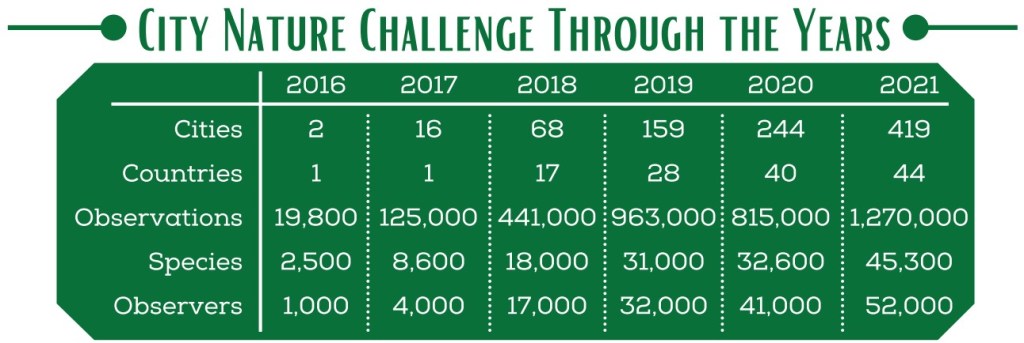
The City Nature Challenge has been running since 2016 when it was started as a competition between Los Angeles and San Francisco to record urban biodiversity using the iNaturalist platform. During a 7-day period, over 20,000 observations were made of 2500 species by over 1,000 participants. In 2017 the number of cities involved grew to 16, in 2018 it grew to 68 cities from various countries. In 2019 a full 159 cities participated and then 244 cities in 2020. Last year 419 cities participated from 44 countries, producing 1.27 million observations from 52,000 participants.
Continue readingA cool Summer evening with a slight breeze made for reasonable conditions to setup the the UV lamp and sheet.
Light: 50W UV CFL 71460
Direction: Sheet facing South-East
Runtime: 8pm – 11:30pm (3.5 hours)
Observations: 26
Species: 21
Continue reading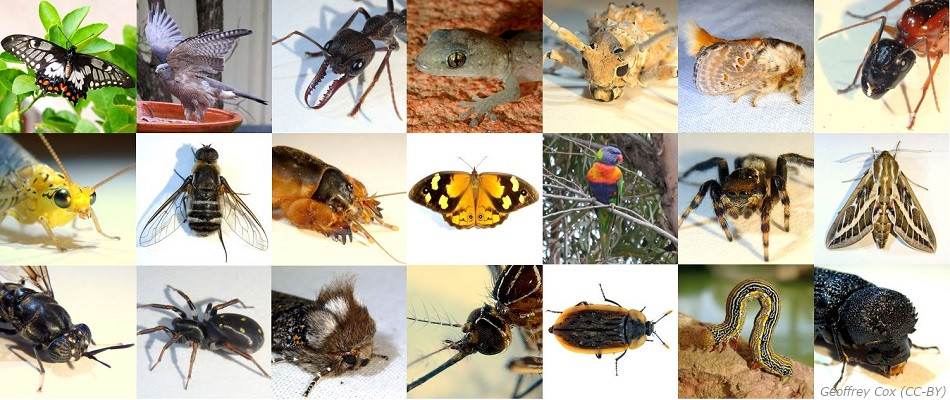
How many species would you expect can be found it a typical suburban backyard? Maybe 50? Or perhaps 100? More? The question is a little vague, so lets try to narrow it down.
There are going to be quite a few factors that affect exactly how many species you are likely to find on a suburban property.
Continue reading
A walk shortly after sunrise looping around most of the wetland ponds. This time of year the water level is low in most of the ponds with Pond H completely dry as usual.
Continue reading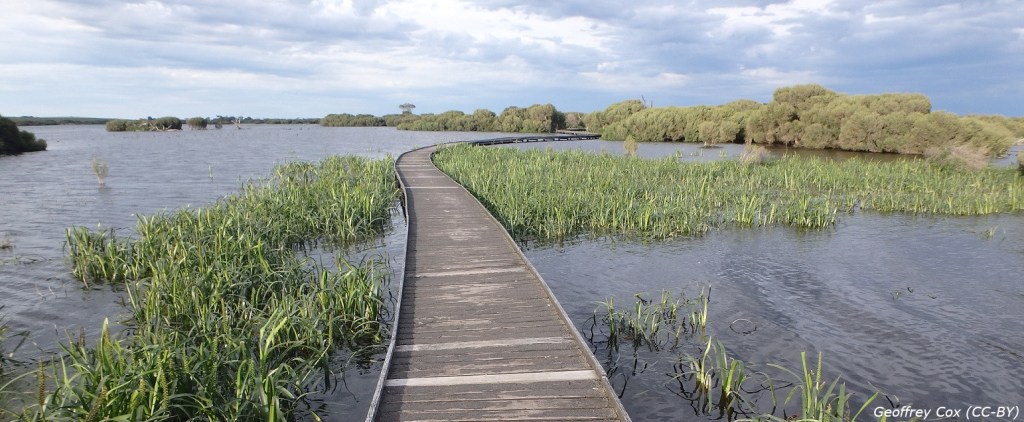
 Epistemic Curiosity